


How the LNG Industry in Europe Navigates 2026: Key Takeaways from LNGCON 2026
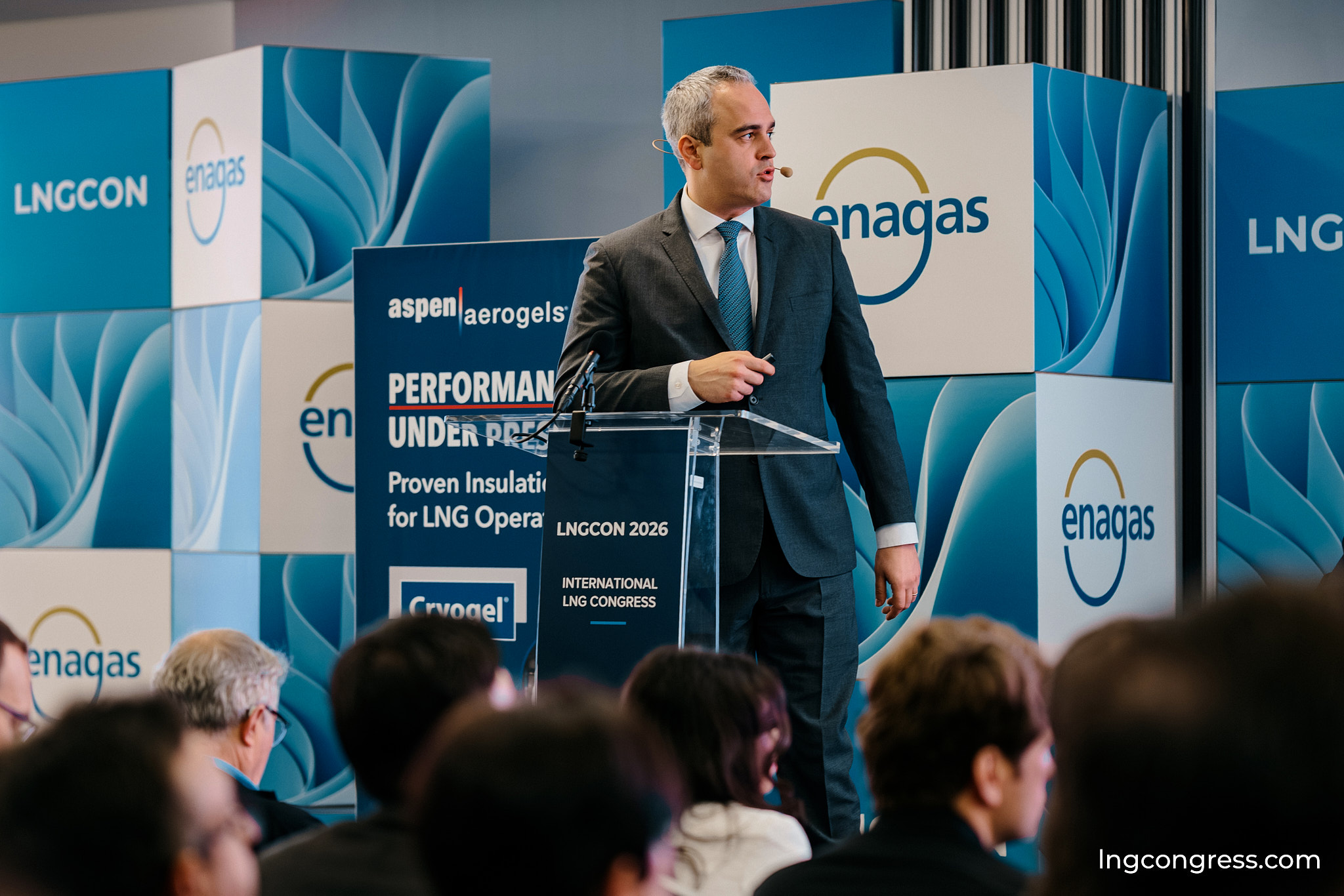
Heading into 2026, the European LNG market is entering a new phase, driven by high demand, with roughly 93–150 mtpa of new capacity coming online. As the industry navigates this period, the search for future strategies found its answer at the International LNG Congress 2026, hosted by Enagas, on 9-11 March in Barcelona.
By bringing together over 360 delegates from 40 countries, the Catalan capital became the global epicenter of European LNG discourse for three intensive days. Participants engaged with case studies from top companies, discussed market prospects and challenges, visited the Barcelona LNG Terminal and enjoyed 20+ hours of networking with international and local energy experts. The Congress was held with the support of the Spanish LNG leaders - Moeve, Repsol, Balearia, Reganosa and Molgas, who became the official Partners of the event.
What’s in Store For Europe - Insights from Major LNG Players
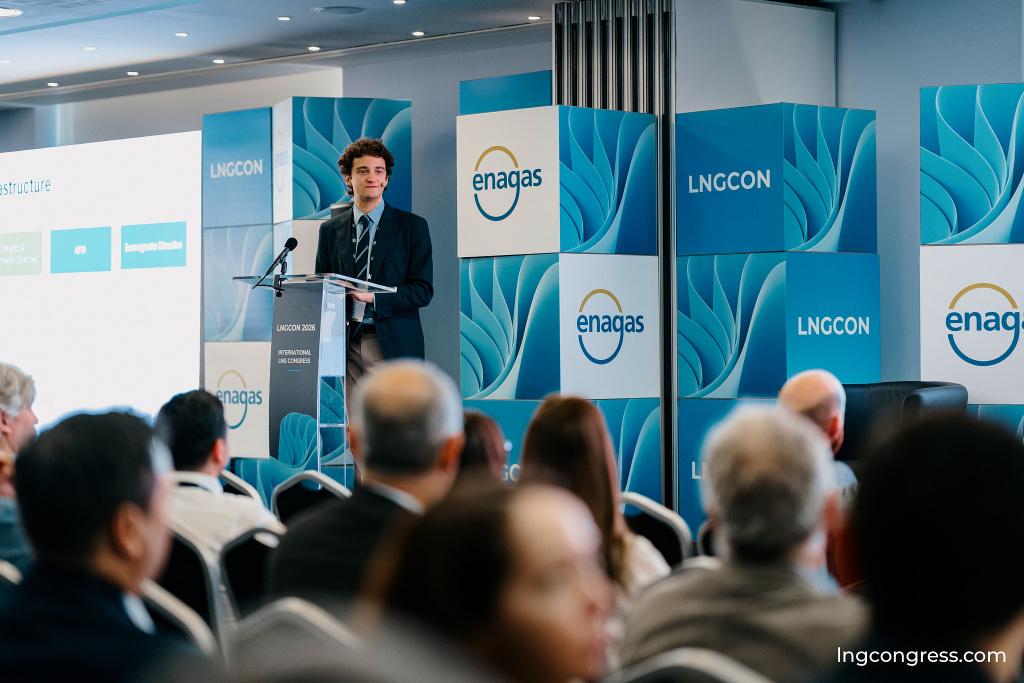
The Business Programme of the event featured 65 speakers, with representatives from Chiyoda Corporation Netherlands B.V., KN Energies, Scania Ibérica, KBR and major energy leaders who shared their perspectives on the current market situation.
One of the highlights became the sessions dedicated to road and marine transportation. There, Didier Daems, Head of Marine LNG Business Development West at Shell, delved into the main factors influencing the road market: total cost of ownership in comparison to B7 and other fuels, regulatory frameworks, including RED III and HDV standards, increasing supply of bio-LNG fuel and an attractive customer value proposition.
Shell’s insights reinforced the view that LNG – particularly in its renewable form – is a practical and scalable solution for cleaner road transportation in Europe in the years ahead.
In the marine sector, Janine Fonseca, Business Development Manager at GTT, presented future-proof solutions for shipping with membrane technology. For cruise vessels, the space efficiency of membrane tanks can free up deck area for additional cabins - potentially generating $1 billion in extra revenue across a ten-vessel fleet over two decades - while optimised designs reduce weight and boil-off rates, lowering both opex and carbon footprint compared to traditional Type C tanks.The Industry View on Sustainability
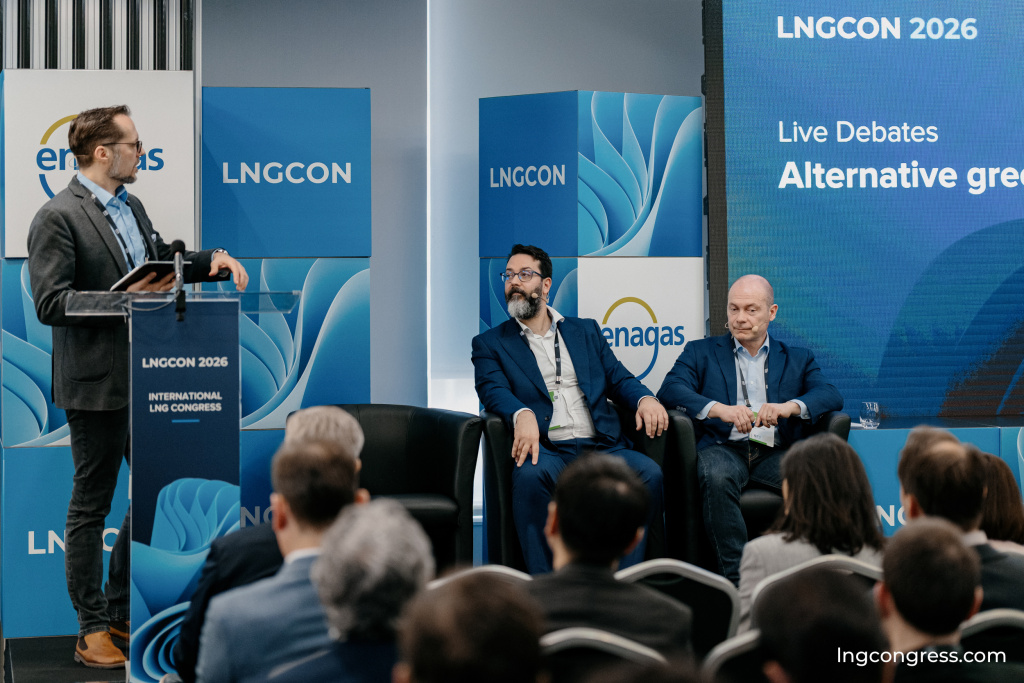
This focus on practical, lower-carbon solutions carried through to the broader view on sustainability during Live Debates on the second day of the Congress. The session sparked lively discussions - as speakers shared different points of view, with the audience adding to the discussion.
Vincenzo Tota, Senior Manager, Process & Chemicals at Wood, positions hydrogen and ammonia as the definitive green alternatives to LNG. While acknowledging that blue LNG benefits from mature infrastructure, he highlighted that the future lies with liquid hydrogen, ammonia cracking and LOHC requiring urgent development to reach scale.
The different point of view was expressed by Simos Efthymiadis, Operations Director at ELINOIL, who expressed that we should wait for hydrogen and ammonia to mature. Especially with road transportation, as it accounts for 29% of EU GHG emissions, Simos argued that the industry cannot afford to delay, so LNG becomes the only immediate, scalable and cost-effective solution today.
Exploring the Regulatory Landscape
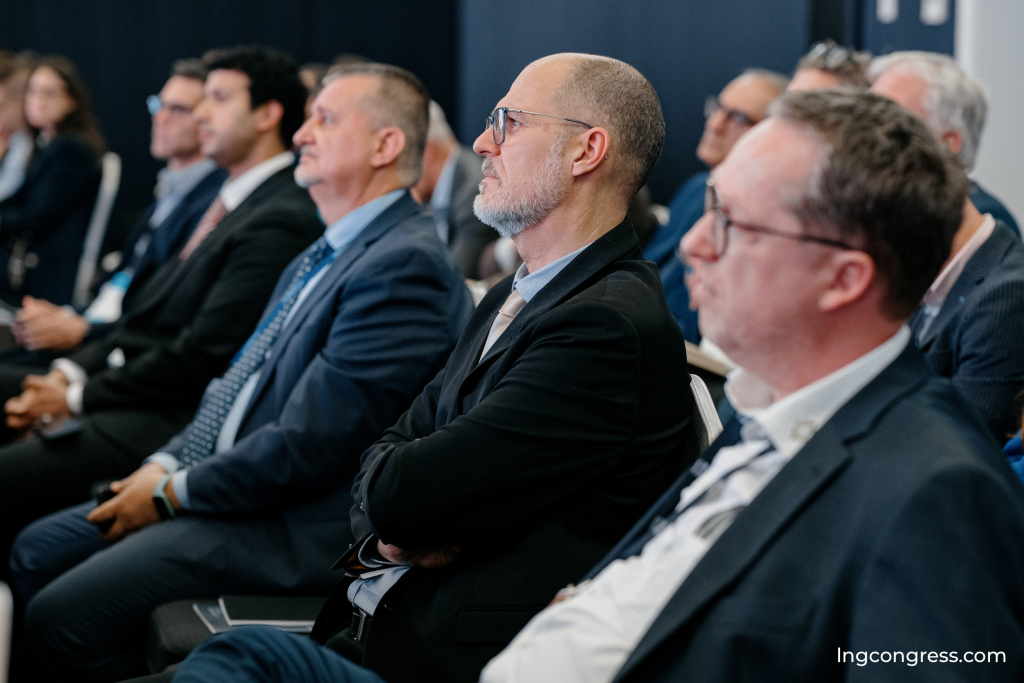
A major audience attention was focused on Panel Discussion 3. Policies and compliance - a session, which gathers more and more people every year.
There, Cyril Harry, Head of Gas Asset Regulation & Analysis at ENGIE, delivered a timely overview of the most consequential policy developments reshaping Europe's LNG business. His presentation focused on two landmark regulations that came into force in early 2026: the REPowerEU Regulation, phasing out Russian gas imports and the Methane Emissions Reduction Regulation (MER), which imposes strict monitoring and reporting obligations on importers.
On the security of supply front, Harry detailed the implementation of EU Regulation 2026/261, which requires prior reporting for all gas imports. For Russian gas, importers must now submit information at least one month before entry, while non-Russian gas requires five working days' notice.
Equally transformative is the Methane Emissions Reduction Regulation (EU 2024/1787), which entered into force in August 2024 and is now in its critical implementation phases. Phase 1, already underway, requires annual information reporting on source origin and existing mitigation measures. Phase 2, beginning 1 January 2027, will mandate that importers demonstrate equivalence with EU monitoring, reporting and verification (MRV) rules for new or renewed contracts. Phase 3 introduces binding methane intensity caps, with reporting obligations starting in 2028 and full compliance with maximum intensity values required for contracts signed after August 2030.
Technologies Shaping the Industry
However, the question of how to translate all these insights into valuable business growth remains at the forefront. As Alessandro Failla, GAS/LNG Market Analytics and Equity Project Support at Eni S.p.A., noted: “The main challenge [of the industry] is to find the type of machines and ways that can create the economic sustainability”.
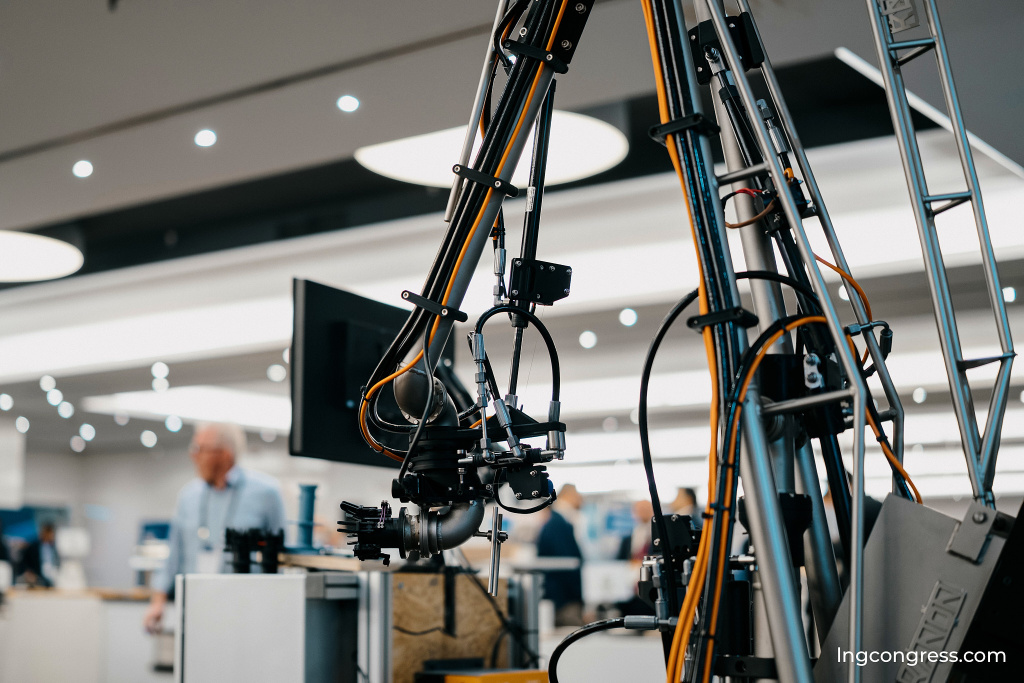
To provide the LNG sector with proven pathways for consistent ROI, the Congress featured the Focus Exhibition area. The floor brought together over 59 technology providers and service companies, showcasing cutting-edge solutions ranging from cryogenic equipment and digital monitoring platforms to modular liquefaction units and bunkering systems. Participants engaged directly with engineers and product specialists, exploring live demonstrations and discussing field applications that are already delivering measurable results.
For those who wished to deep dive into LNG facilities and infrastructure, the Tech Talk held on the second day proved to be equally valuable.
At the session, Davide De Bacco, Technology Development Manager at Saipem, showcased innovations for reducing carbon intensity across the LNG value chain. For liquefaction plants, the company presented process optimisation, including waste heat recovery, efficient liquefaction and compressor speed optimisation, which can lower CO₂ intensity from 0.29 to as low as 0.18 t CO₂/t. Looking ahead, Saipem is pursuing hybridisation through renewables and green hydrogen, blending H₂ into power generation units to manage fluctuating renewable electricity while cutting emissions.
Brice Lemaire, Key Account Manager at Chart Industries, showcased a suite of innovations enabling what the company calls the "LNG virtual pipeline" – transporting LNG via cryogenic trailers, swap bodies and railcars as a flexible alternative to physical pipelines. Modular liquefaction plants have significantly reduced the cost and schedule of small-scale production, while specialty heat exchangers deliver six to ten times greater heat transfer density than conventional designs, enabling smaller, more efficient units.
Technical Site Visit to Barcelona LNG Terminal
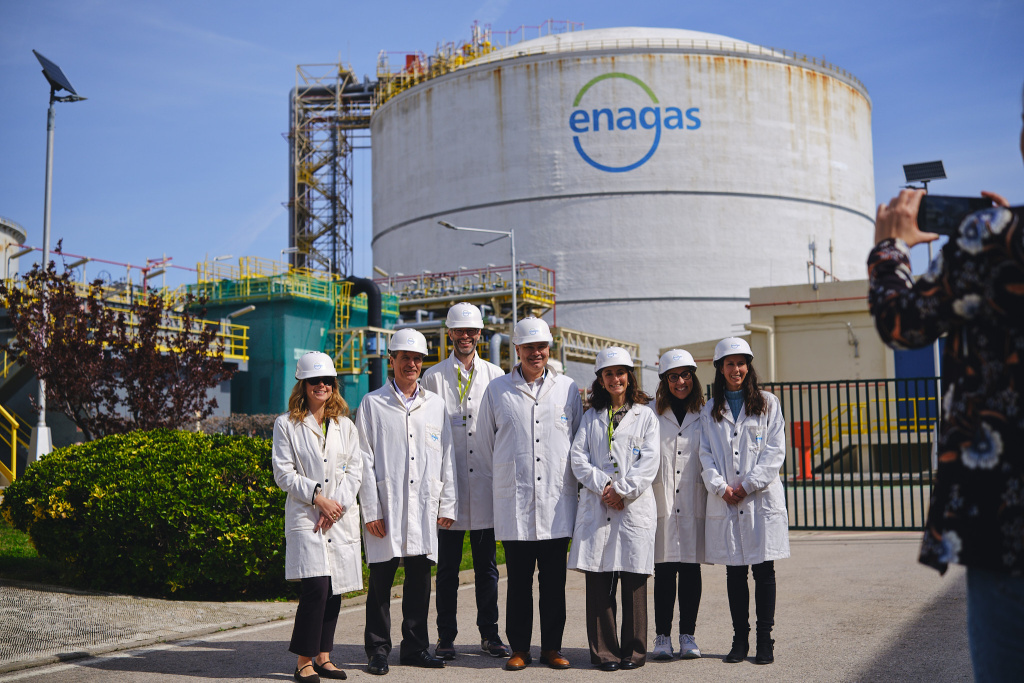
Technical insights didn’t end here. The third day of the Congress offered participants a unique opportunity to move beyond presentations and experience the LNG operations in action.
Over 70 delegates joined the Technical Site Visit to the Barcelona LNG Terminal, operated by Host Sponsor Enagás – one of Europe's most strategic regasification facilities and a key gateway for LNG into the Iberian Peninsula and beyond.
The visit allowed participants to see firsthand how the terminal operates, from LNG unloading and storage to regasification and send-out into the pipeline network. Guided by technical experts, participants explored the large-scale berth for gas carriers, the operations hub Ancorcha with metering and odorisation systems, vaporisers and compressors and the small-scale berth designed for vessels with a capacity of up to 80 000 m3.
Beyond the technical insights, the visit provided an invaluable setting for informal networking. For many delegates, seeing the scale and complexity of the facility in person brought to life the themes discussed throughout the Congress, reinforcing the critical role of infrastructure in enabling a secure and sustainable energy future.
What's Next for the LNG Market?
As the International LNG Congress 2026 drew to a close in Barcelona, one thing became clear: the European LNG industry is rapidly transforming despite challenges that lie ahead. The event underscored that the way forward is too complex to be tackled in isolation and demands the combined effort of all market players.
With the foundation laid in Barcelona, the industry moves forward – equipped with new insights, forged partnerships and a shared understanding that the path to net zero will be built not on a single solution, but on a portfolio of technologies, low-carbon fuels and collaborative efforts.
As the European energy landscape continues to evolve, the International LNG Congress will once again gather the LNG community in Amsterdam on 1-2 March 2027. Secure your place now to hear the critical insights shaping the year ahead in person: Join now.